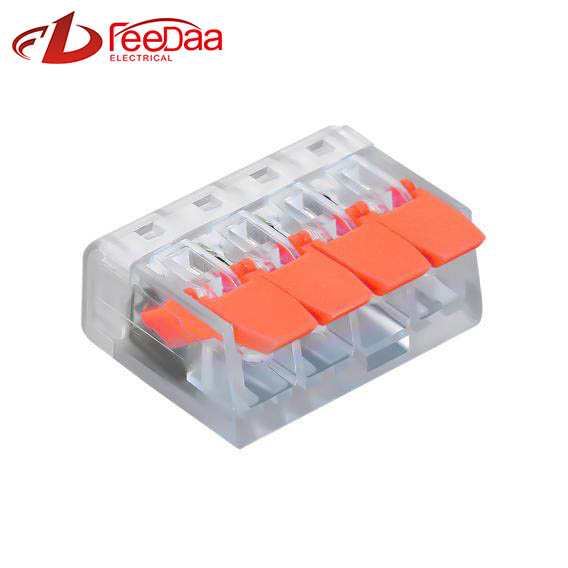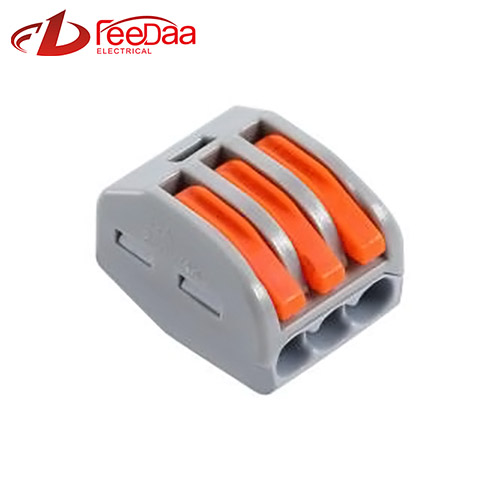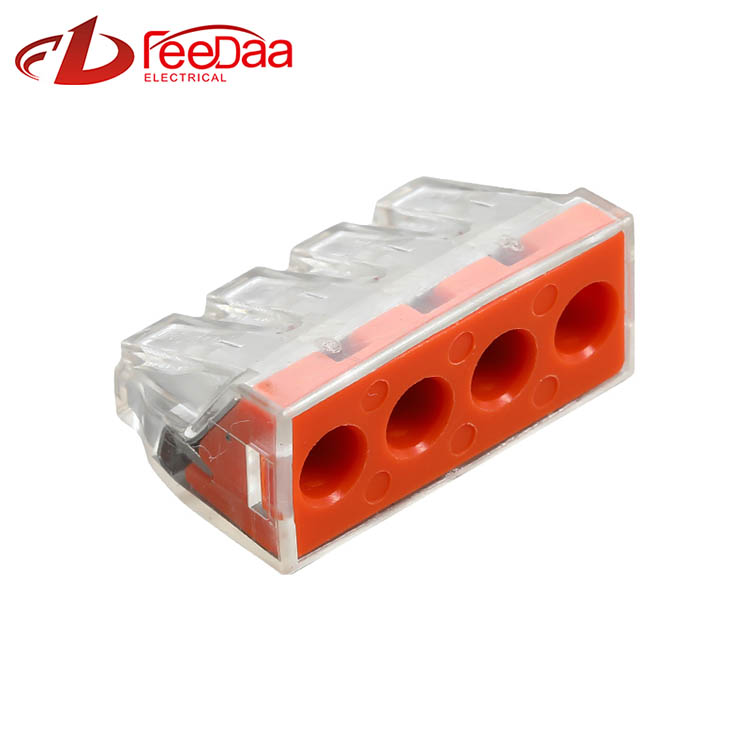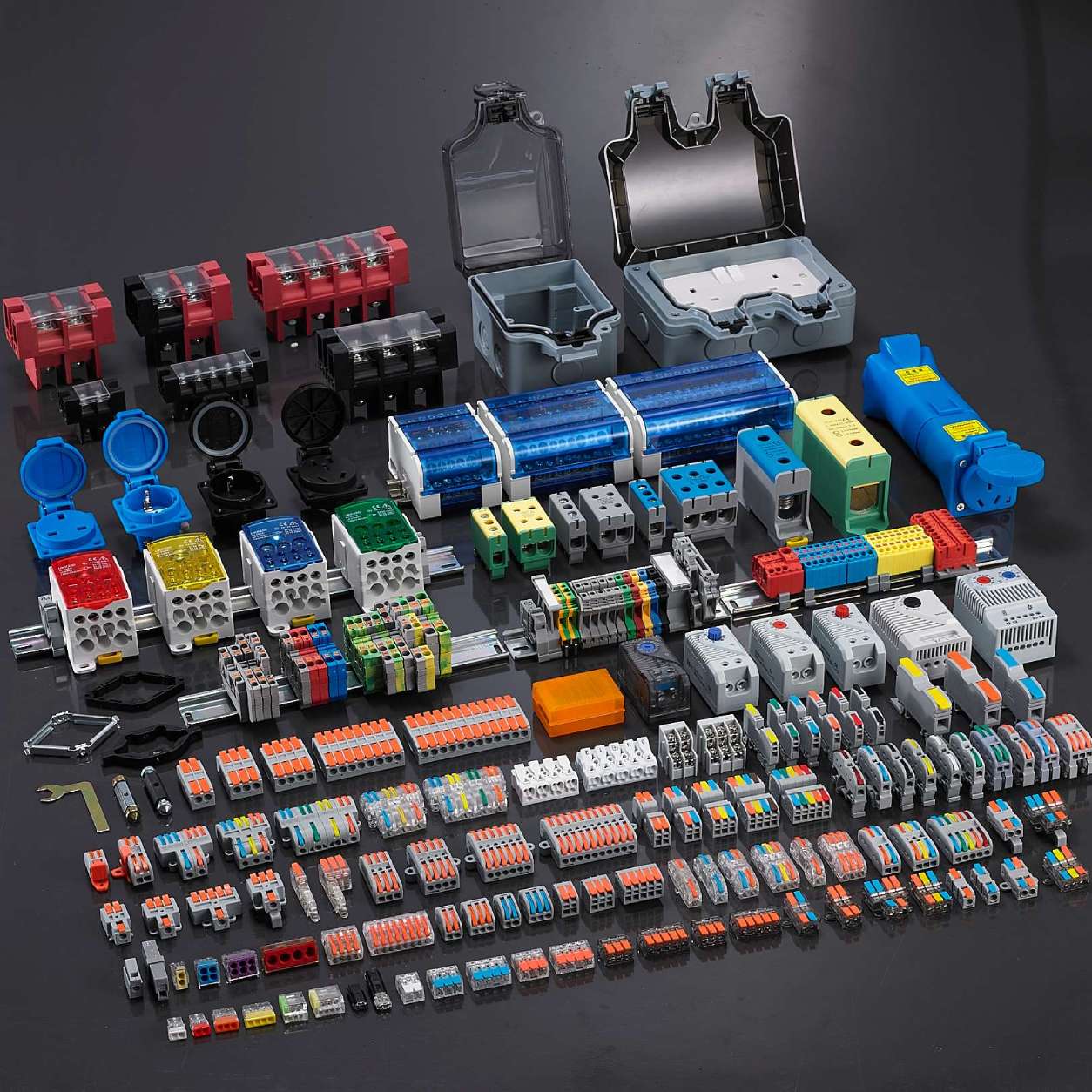
A terminal block is an electrical connector used to safely join and organize multiple wires in industrial and commercial electrical systems. It provides a secure, insulated, and efficient connection method that improves safety and simplifies wiring management.
Terminal blocks are widely used in control panels, automation equipment, power distribution systems, and machinery wiring.
How Terminal Blocks Work
A terminal block works by clamping or fixing wires inside a conductive metal body. This allows electrical current to pass through while keeping wires physically secured and electrically insulated.
There are different connection methods:
Screw type connection
Spring clamp connection
Push-in connection
Each method ensures stable electrical performance depending on application requirements.
Why Terminal Blocks Are Important
Terminal blocks provide several key advantages:
Safe and organized wiring
Easy maintenance and replacement
Reduced wiring errors
Improved system reliability
Applications
Terminal blocks are commonly used in:
Industrial automation systems
Electrical control cabinets
Power distribution panels
Machinery and equipment wiring
Conclusion
Terminal blocks are essential components in modern electrical engineering. They improve safety, efficiency, and reliability in all types of electrical systems.