How to Choose the Right Terminal Block for Industrial Electrical Applications
Terminal blocks are essential components in industrial electrical systems. They provide a safe, organized, and reliable way to connect multiple wires while making electrical installations easier to maintain and expand.
From control cabinets and industrial automation equipment to power distribution systems and machinery, the right terminal block can have a significant impact on the safety, reliability, and efficiency of an electrical system.
However, with different types, connection methods, sizes, and electrical ratings available, choosing the right terminal block is not always straightforward.
In this article, we will explain the most important factors to consider when selecting a terminal block for industrial applications.
1. Check the Rated Current and Voltage
The first step is to determine the electrical requirements of your application.
Every terminal block has a specified rated current and rated voltage. The selected product should be suitable for the maximum electrical load of the circuit.
For example, applications carrying relatively high current require terminal blocks with suitable conductor sizes and contact structures. Using a terminal block with an insufficient current rating may result in excessive heat generation and affect the reliability of the electrical connection.
Therefore, always check the manufacturer's technical specifications before selecting a terminal block.
2. Select the Appropriate Connection Type
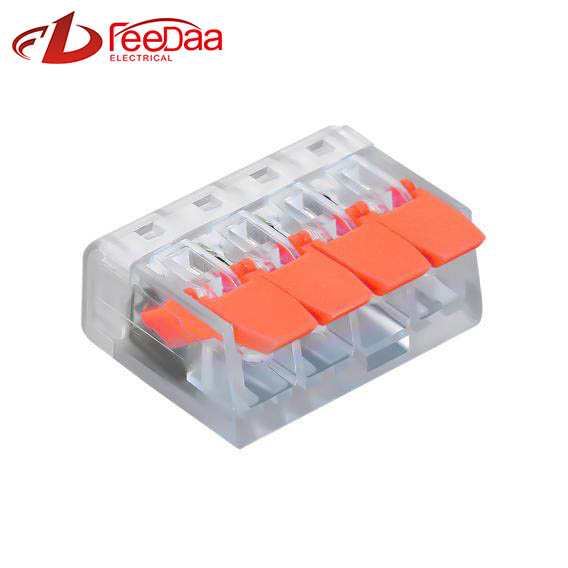
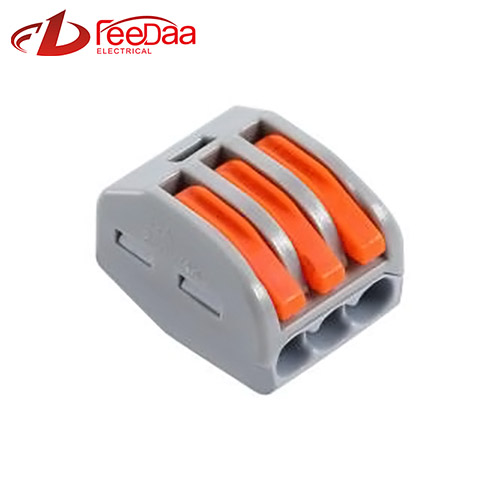
Different terminal blocks use different wire connection methods. The most common options include screw connections, spring clamp connections, and push-in connections.
Screw Terminal Blocks
Screw terminal blocks use screws to secure the conductor inside the terminal.
They are widely used in industrial control panels, power distribution equipment, machinery, and general electrical wiring because of their simple structure and reliable mechanical connection.
Spring Terminal Blocks
Spring terminal blocks use spring pressure to hold the conductor in place.
They can reduce installation time and are particularly useful in applications where vibration resistance and fast wiring are important.
Push-In Terminal Blocks
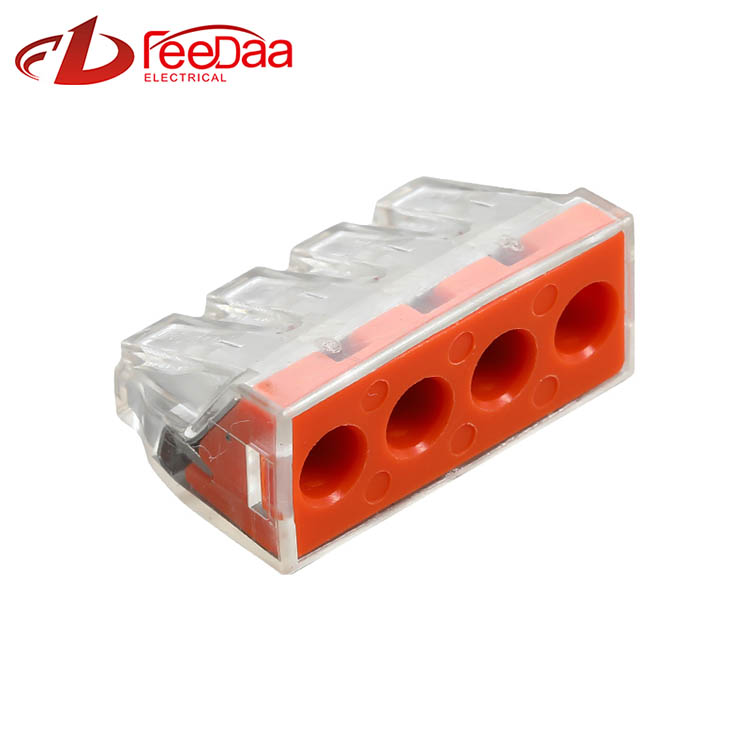
Push-in terminal blocks allow wires to be inserted directly into the connection point, making installation faster and more convenient.
The best connection method depends on the application, installation environment, maintenance requirements, and customer preferences.
3. Consider the Wire Size
Another important factor is the conductor cross-sectional area.
Terminal blocks are designed for specific wire ranges, such as 0.5–2.5 mm², 1.5–4 mm², or larger sizes depending on the product design.
Before purchasing, confirm that the terminal block is compatible with the wire size used in your electrical system.
A proper match between the wire and terminal block helps ensure stable electrical contact and reliable mechanical fixation.
4. Choose the Right Mounting Method
For industrial control panels, DIN rail terminal blocks are one of the most common solutions.
DIN rail terminal blocks can be mounted on standard DIN rails and arranged in modular configurations. This makes wiring more organized and allows additional terminals to be added when the electrical system needs to be expanded.
Other terminal blocks may be designed for PCB mounting, panel mounting, or direct equipment installation.
The mounting method should therefore be selected according to the structure of the electrical equipment.
5. Consider the Insulating Material
The insulating housing is another important part of a terminal block.
Engineering plastics such as PA66 are commonly used because they can provide good mechanical strength, electrical insulation, and temperature resistance.
For industrial applications, flame-retardant materials can provide an additional level of safety.
When selecting a terminal block, customers should consider the operating temperature, electrical requirements, and applicable safety standards of the installation environment.
6. Consider the Operating Environment
Not every terminal block is suitable for every environment.
Industrial electrical systems may be exposed to vibration, temperature changes, humidity, dust, or other challenging conditions.
For machinery and automation equipment, vibration resistance can be particularly important. For electr