How to Choose the Right Terminal Block for Industrial Electrical Applications
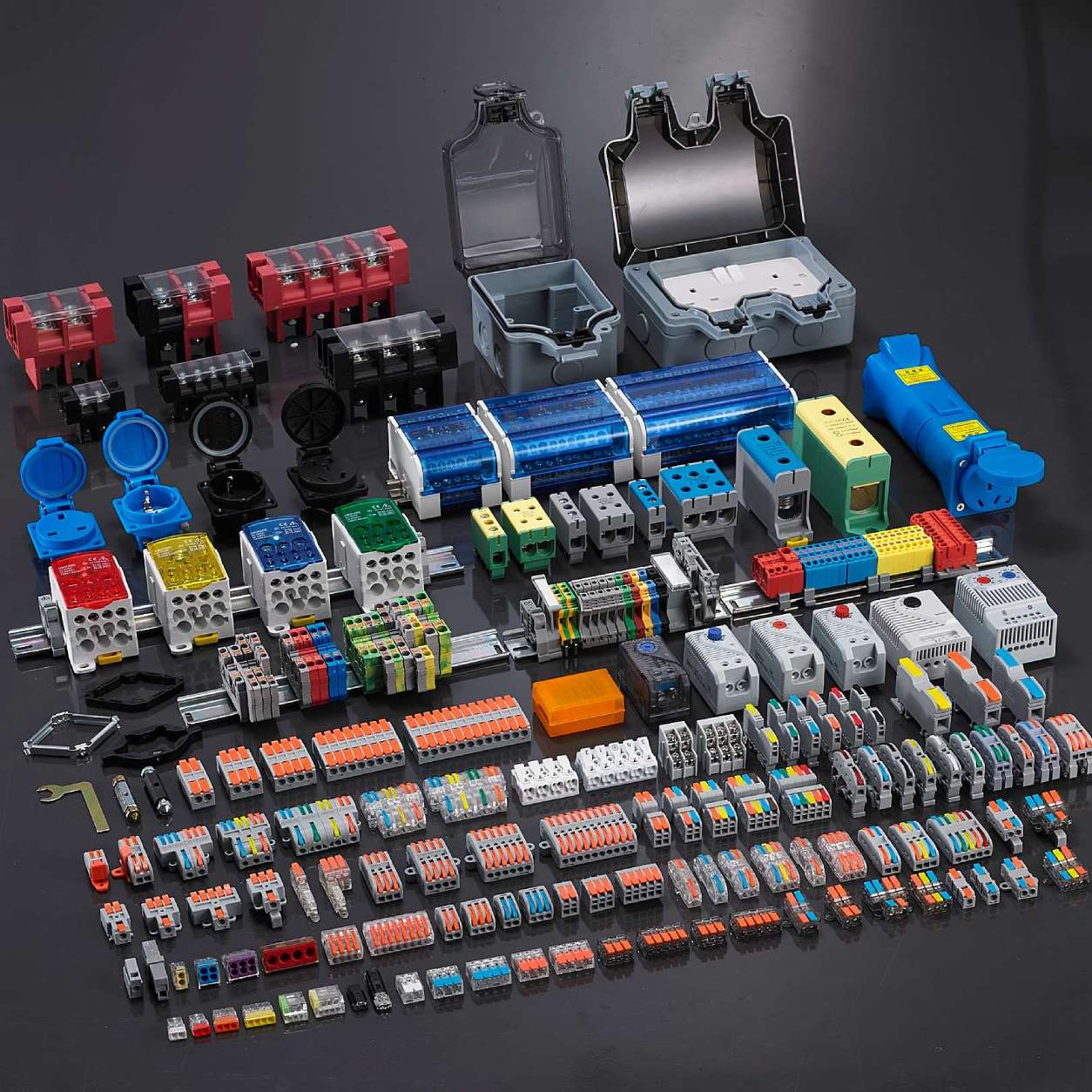
Terminal blocks are essential components in modern electrical systems. They provide secure, reliable, and organized connections for wires in industrial automation, power distribution, machinery, and control panels.
When selecting a terminal block, several important factors should be considered.
1. Current and Voltage Rating
The first consideration is the electrical load. Terminal blocks must be capable of handling the required current and voltage without overheating or performance degradation.
2. Connection Type
Different applications require different connection methods:
Screw Terminal Blocks
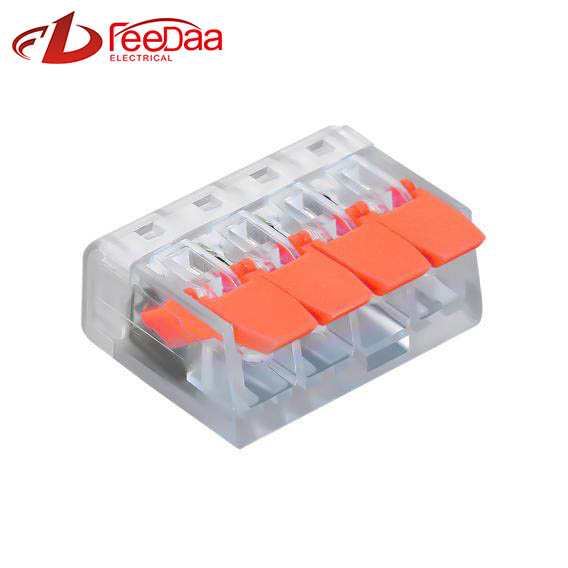
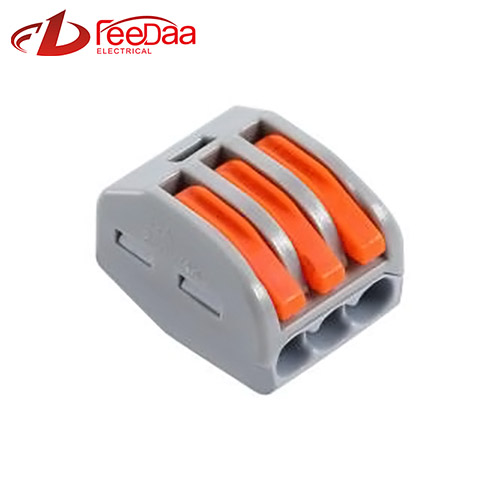
Spring Clamp Terminal Blocks
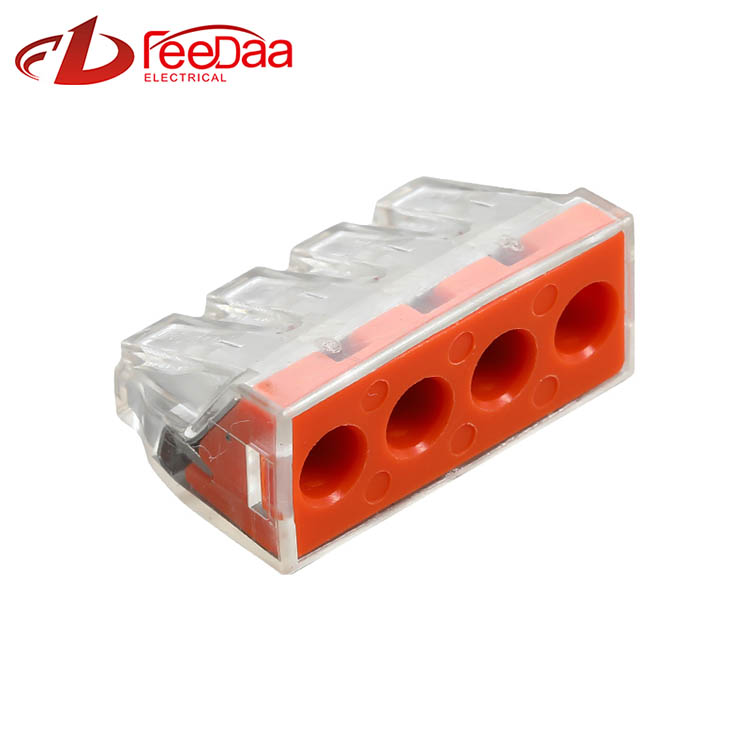
Push-in Terminal Blocks
Barrier Terminal Blocks
Each type offers unique advantages depending on installation requirements and maintenance needs.
3. Material Quality
High-quality engineering plastics and copper conductors improve safety and durability. Flame-retardant materials can provide additional protection in harsh industrial environments.
4. Installation Method
DIN rail mounted terminal blocks are widely used in control cabinets due to their quick installation and flexible configuration.
5. Environmental Conditions
Factors such as temperature, humidity, vibration, and dust should be evaluated when choosing terminal blocks for industrial applications.
Conclusion
Selecting the correct terminal block improves system reliability, reduces maintenance costs, and ensures long-term electrical safety. Working with an experienced terminal block manufacturer can help customers find the most suitable connection solution.