What Is a Terminal Block?
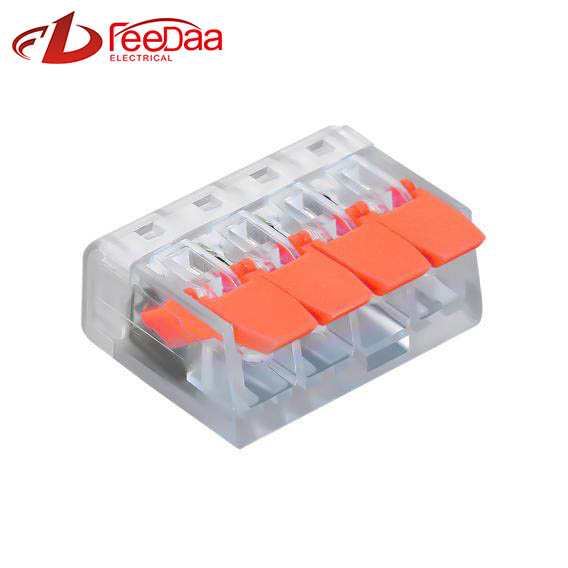
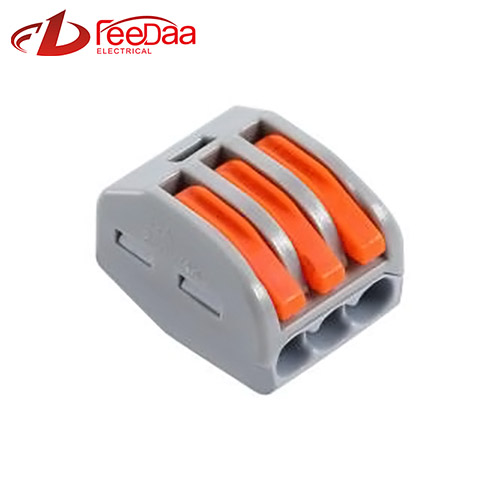
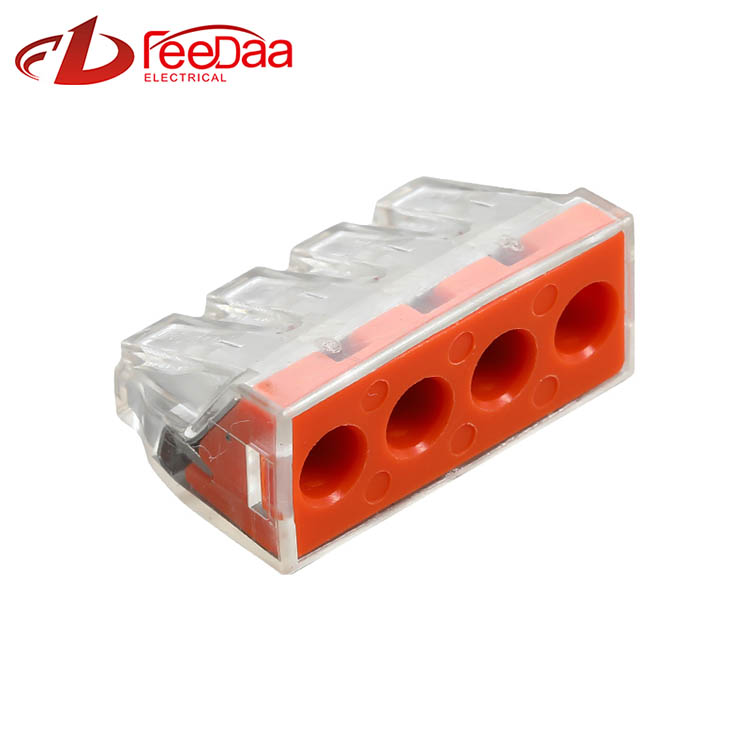
A terminal block is an electrical connector used to securely connect multiple wires together. It provides a safe and organized method for electrical distribution, signal transmission, and equipment wiring.
Terminal blocks are widely used in industrial control panels, power distribution systems, automation equipment, machinery, renewable energy systems, and building electrical installations.
Unlike direct wire splicing, terminal blocks allow easy maintenance, troubleshooting, and replacement without damaging the wiring system.
How Does a Terminal Block Work?
A terminal block works by clamping electrical conductors inside an insulated housing.
The connection can be achieved through:
Screw clamp technology
Spring clamp technology
Push-in connection technology
These mechanisms ensure reliable electrical contact while preventing accidental disconnection.
Main Types of Terminal Blocks
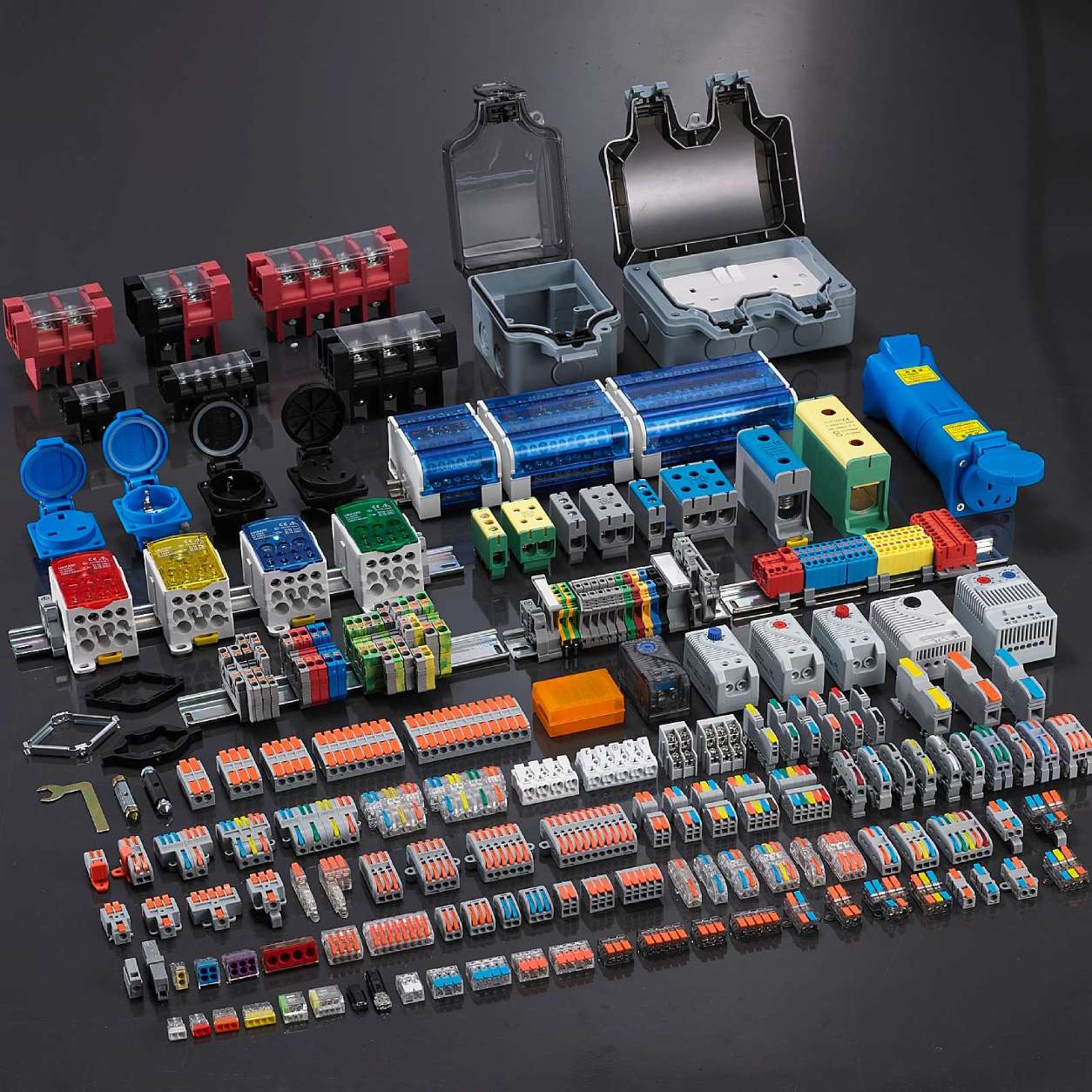
DIN Rail Terminal Blocks
DIN rail terminal blocks are mounted on standardized DIN rails and are commonly used in industrial control cabinets.
Barrier Terminal Blocks
Barrier terminal blocks provide physical insulation barriers between circuits and are commonly used in power distribution applications.
Ground Terminal Blocks
Ground terminal blocks are designed specifically for grounding and earthing connections.
Fuse Terminal Blocks
Fuse terminal blocks integrate circuit protection and wiring functions into one device.
Terminal blocks are essential components for modern electrical systems. They improve safety, simplify wiring, and enhance maintenance efficiency across a wide range of industrial and commercial applications.