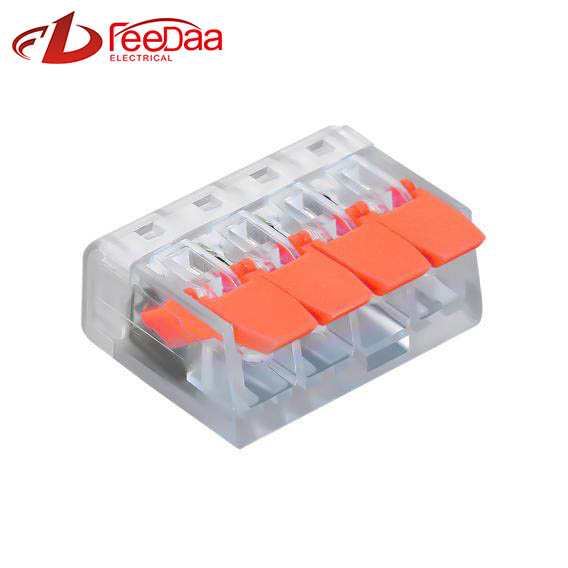
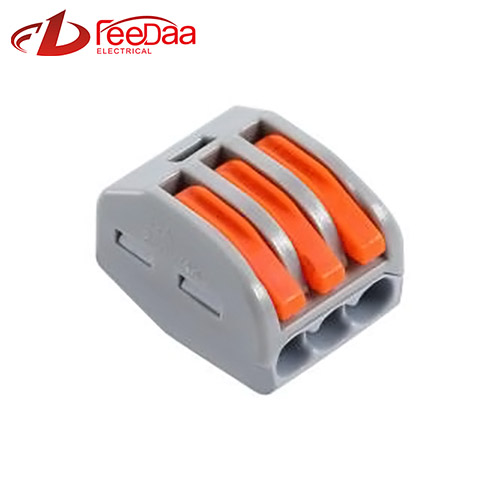
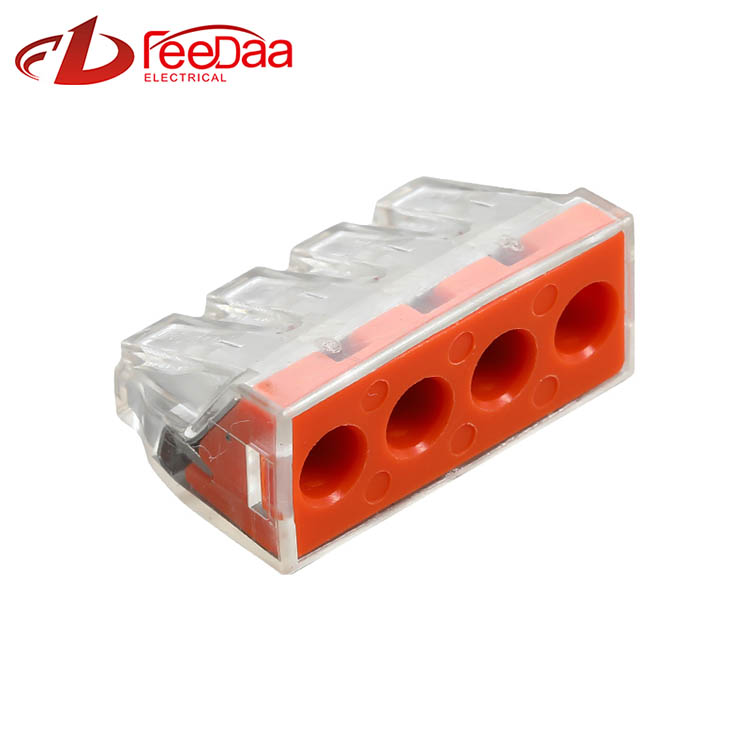
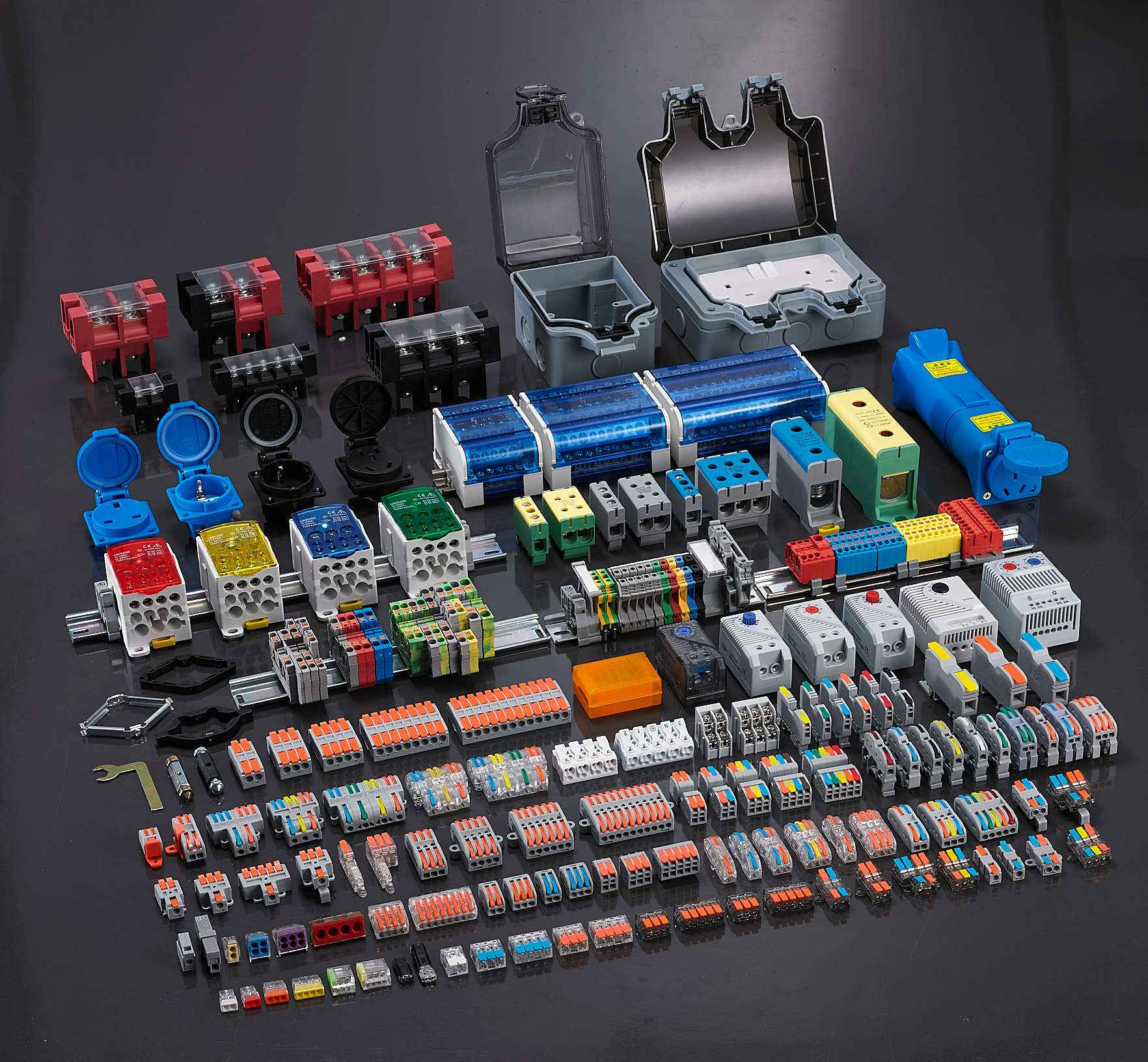
 In the rapidly evolving landscape of industrial automation, renewable energy, and smart building technology, the humble terminal block has undergone a silent revolution. No longer just a simple "wire holder," modern terminal blocks are now high-performance components engineered for efficiency, safety, and extreme environments.
For engineers and procurement professionals, staying ahead of these technical shifts is crucial for optimizing system reliability and reducing labor costs. This guide explores the latest innovations and provides a framework for professional selection in 2026.
Part 1: Key Technical Innovations Driving the Industry
1. The Dominance of Push-In Technology
The most significant shift in the last few years has been the transition from traditional screw-clamping to Push-In Technology.
Efficiency: Push-in termination reduces wiring time by up to 60% compared to screw connections.
Reliability: By utilizing a high-tension spring mechanism, these connectors provide a constant force on the wire, making them inherently vibration-proof—a critical requirement for railway, automotive, and heavy machinery applications.
2. Material Excellence: Beyond Basic Plastics
2026 standards demand higher safety ratings. Leading manufacturers, like FeeDaa, are now utilizing:
UL94 V-0 Polyamide (PA66): Offering superior flame retardancy and self-extinguishing properties.
H62 Tin-Plated Copper/Brass: Ensuring minimal contact resistance and maximum corrosion resistance, even in humid or saline environments.
3. High-Density & Miniaturization
As control cabinets become more complex, space is at a premium. The latest DIN Rail Terminal Blocks (such as the ST or UKK series) now offer multi-level wiring and thinner profiles without compromising voltage insulation, allowing for 30% more connections in the same footprint.
Part 2: The Professional Selection Guide
Choosing the right terminal block requires more than matching a wire size. Follow this 4-step framework to ensure long-term performance:
Step 1: Define Electrical Requirements
Rated Voltage & Current: Always allow for a safety margin. For high-power applications like EV charging, ensure the terminal is rated for at least 125% of the continuous load.
Dielectric Strength: Check the impulse withstand voltage, especially in environments prone to power surges.
Step 2: Select the Termination Type
Screw Connection: Best for large cross-section cables and legacy systems where high torque is required.
Spring-Cage/Push-In: Ideal for high-vibration environments and high-volume assembly lines where labor cost is a factor.
IDC (Insulation Displacement): Suitable for telecommunications and low-current signal wiring where stripping is not preferred.
Step 3: Assess Environmental Factors
Temperature Range: Standard industrial terminals operate between -40°C to +105°C. For extreme heat or cold, specialized ceramic or high-temp plastic housings are required.
Chemical Exposure: In oil & gas or marine applications, ensure the metal parts are specially plated to prevent galvanic corrosion.
Step 4: Verification of Certifications
Global trade requires compliance. Never source terminal blocks without verifying:
IEC 60947-7-1: The international standard for low-voltage switchgear.
UL 1059: Essential for any product entering the North American market.
CE & RoHS: Ensuring compliance with European safety and environmental directives.
Conclusion: Why Quality Matters
A single failed connection can lead to hours of downtime or, in worst-case scenarios, electrical fires. Investing in technically advanced terminal blocks is not just a procurement choice; it is a risk management strategy.
At FeeDaa, we specialize in bridging the gap between innovation and reliability. Whether you are looking for Push-In Lever Connectors for smart home devices or Heavy-Duty Barrier Blocks for industrial power distribution, our 2026 product line is engineered to meet the highest global standards.
[Contact our engineering team today for a free sample and technical consultation.]